
Protect Your Investment: 5 Destructive Habits Harmful to Your PC

Your PC is more than just a machine; it’s an investment. It stores your precious memories, important documents, and even gaming conquests. But did you know that certain habits can jeopardize its longevity? Many users unknowingly engage in destructive behaviors that can lead to costly repairs or data loss. If you’re looking to protect your digital companion and ensure it serves you well for years, it’s time to take a closer look at what you might be doing wrong—and how to fix it. Here are five everyday habits that could be putting your PC at risk.

Ignoring Software Updates

Ignoring software updates is like leaving the front door of your house wide open. You might think everything is fine, but vulnerabilities are lurking just outside. Updates often contain essential security patches that fix known bugs and protect against emerging threats. By skipping them, you make cybercriminals an easy target. Additionally, software developers frequently enhance performance with new features in their updates. Neglecting these improvements could be missing out on a smoother and more efficient user experience.

Automatic updates can help minimize this hassle. Enable them to ensure your system stays current without needing constant reminders. Remember, staying up-to-date isn’t just about security; it’s also about maintaining optimal PC performance. Embrace those notifications and keep your digital environment as secure as possible!

Poor Ventilation and Overheating

laptop

Your PC needs to breathe just like you do. Without proper ventilation, it can overheat and suffer severe damage. Dust accumulation in vents is a common culprit. This buildup restricts airflow, trapping heat inside the case. A hotter computer runs slower and may crash unexpectedly. Consider where you place your machine, too. Keeping it in cramped spaces or near walls limits airflow further. Leave some room around your PC for air circulation.

Investing in additional cooling solutions can also be beneficial. Aftermarket fans or liquid cooling systems are great options to enhance thermal performance. Remember, overheating affects performance and shortens the lifespan of vital components. Protecting against this threat ensures that your investment remains intact for years.

Downloading from Untrusted Sources

Downloading software or files from untrusted sources can quickly lead to disaster. You might think, “What harm could it do?” But the risks are significant. These downloads often harbor malware, viruses, or ransomware that can wreak havoc on your system. Imagine clicking on what looks like a harmless app only to find your data compromised. Cybercriminals thrive when users bypass security measures for free tools or pirated content.

Even seemingly legitimate websites can host malicious links disguised as enticing offers. Always verify the source before hitting that download button. Trusting well-known platforms and developers is crucial for safeguarding your PC. Additionally, consider using antivirus software with real-time protection features. It acts as a safety net against harmful downloads while browsing the web. Prioritizing safe practices today will save you from headaches tomorrow.

Skipping Regular Backups

laptop

Skipping regular backups is a risky gamble. One moment of carelessness can lead to catastrophic data loss. Imagine working …
Hidden Camera Technology: How Spy Cameras Work and Their Applications

Hidden camera technology has become increasingly sophisticated, offering a range of applications in various industries and everyday life. In this article, we’ll delve into how spy cameras work, their applications, and the ethical considerations surrounding their use.

Understanding Hidden Camera Technology

cam

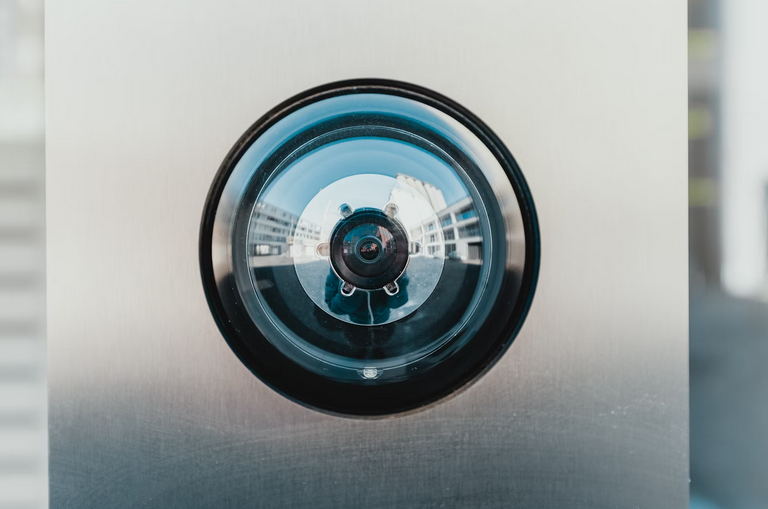
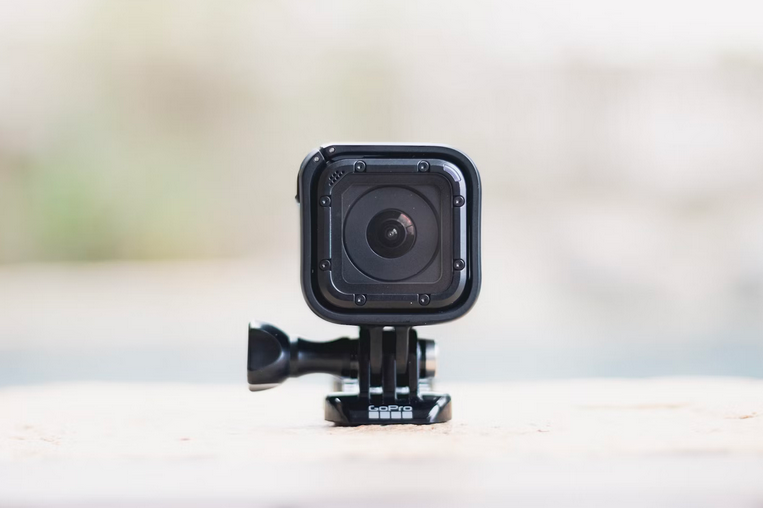
Hidden cameras, also known as spy cameras or covert cameras, are small, discreet devices designed to capture video and audio without being easily detected. They can be integrated into everyday objects such as clocks, pens, smoke detectors, and even clothing, making them ideal for covert surveillance purposes.

How Spy Cameras Work

Spy cameras utilize advanced technology to capture high-quality video and audio recordings. They typically consist of a lens, image sensor, processor, storage media (such as an SD card), and power source. Some models also feature wireless connectivity for remote monitoring. When activated, the camera records video and audio data, which is processed and stored internally or transmitted to a remote device for live viewing or recording. Modern spy cameras may also include motion detection, night vision, and other features for enhanced functionality.

Applications of Hidden Camera Technology

  1. Security Surveillance: Hidden cameras are widely used for security purposes in homes, businesses, and public spaces to monitor activities and deter theft, vandalism, or unauthorized access.
  2. Law Enforcement: Law enforcement agencies use spy cameras for undercover operations, sting operations, and gathering evidence in criminal investigations.
  3. Child and Elderly Monitoring: Hidden cameras are employed by parents to monitor childcare providers and by caregivers to ensure the safety and well-being of elderly or vulnerable individuals.
  4. Corporate Monitoring: Employers may use spy cameras to monitor employee activities, prevent theft or misconduct, and enhance workplace security.
  5. Personal Security: Individuals may use hidden cameras for personal security, such as recording interactions during contentious situations or documenting incidents for legal purposes.

Ethical Considerations

ethical

While hidden camera technology offers valuable benefits, its use raises ethical considerations regarding privacy, consent, and surveillance practices. It’s essential to use spy cameras responsibly, respecting privacy rights and legal regulations governing surveillance activities.

Key ethical considerations include:

  • Informed Consent: Obtain consent from individuals being recorded, especially in private settings where privacy expectations are high.
  • Transparency: Clearly disclose the presence of hidden cameras in public or private areas where recording is taking place.
  • Purpose: Use spy cameras for legitimate purposes, such as security, safety, or legal compliance, rather than invasive or voyeuristic intentions.
  • Data Protection: Safeguard recorded data, ensure secure storage, and comply with data protection laws to prevent unauthorized access or misuse of recorded footage.

Hidden camera technology has revolutionized surveillance and monitoring capabilities, offering valuable tools for security, safety, and investigative purposes. However, responsible use and ethical considerations are paramount to ensure privacy rights are respected, consent is obtained, and surveillance practices align with legal and ethical standards.…

Ways VPNs Help You Stay Anonymous While File Sharing

In the realm of online file sharing, privacy and anonymity are paramount concerns for users seeking to exchange digital content securely and without fear of surveillance or repercussion. A vpn serves as a powerful digital tool in safeguarding user anonymity during file-sharing activities, offering encryption, IP masking, and other privacy-enhancing features. Let’s explore how VPNs enable users to maintain anonymity while engaging in file-sharing activities.

Encryption

laptop

VPNs encrypt users’ internet traffic, creating a secure tunnel between their gadgets and the VPN server. This encryption prevents third parties, including ISPs, hackers, or government agencies, from intercepting or monitoring the content of files being shared. By encrypting data in transit, VPNs ensure that file-sharing activities remain private and secure.

IP Address Masking

This process effectively anonymizes users’ online identities, making it difficult for others to trace their file-sharing activities back to their actual location or identity. As a result, users can share files anonymously without revealing their true IP address to peers or monitoring entities.

Bypassed Geo-Restrictions

VPNs enable users to bypass geo-restrictions imposed by content providers or government authorities. They allow them to access file-sharing platforms, torrent websites, or peer-to-peer (P2P) networks from anywhere in the world. By connecting to VPN servers located in different countries, users can circumvent censorship and access restricted content while maintaining their anonymity.

Secure File Transfer

data transfer

In addition to anonymizing users’ online activities, VPNs provide a secure environment for file sharing by encrypting data end-to-end. This encryption ensures that files shared between peers or across P2P networks remain confidential and protected from unauthorized access or interception. Users can trust VPNs to facilitate secure file transfer without compromising their anonymity or data integrity.

Throttling Prevention

Internet service providers (ISPs) often throttle bandwidth for users engaged in high-bandwidth activities such as file sharing or torrenting. VPNs prevent ISPs from identifying and throttling file-sharing activities by encrypting internet traffic and masking users’ IP addresses. It ensures that users can enjoy optimal download and upload speeds while maintaining their anonymity.

Enhanced Privacy

VPNs operate under a strict no-logs policy, meaning they do not store or track users’ online activities, including file-sharing activities. This commitment to privacy ensures that users’ digital footprints are not recorded or stored by the VPN provider, minimizing the risk of data exposure or surveillance. As a result, users can share files anonymously with confidence in their privacy protection.

VPNs play a crucial role in helping users stay anonymous while engaging in file-sharing activities. Through encryption, IP masking, and other privacy-enhancing features, VPNs enable users to share files securely and anonymously, free from the prying eyes of surveillance or censorship. By leveraging VPN technology, users can enjoy the benefits of online file sharing while safeguarding their privacy and anonymity in an increasingly interconnected digital landscape.…

Most Advanced Fire Alarm Technologies

Did you know that people began to install the first fire alarm in 1874? Henry S. Parmalee patented it, and it consisted of a set of wet gunpowder sprinkled over fine coal dust, which ignited if enough heat or flame were present. Modern-day fire alarms are much more advanced than what Parmalee had come up with 140 years ago! Some technologies can help fire watch contractors and fire-rescue departments to get notified faster. This blog post will discuss some of the most advanced technologies for detecting fires and alerting people to them.

Fire Alarm System With Phone App Notifications

One of the most advanced fire alarm technologies is a system that sends notifications to your phone. You can use this system in conjunction with smoke detectors, heat detectors, and other sensors to notify you of a fire no matter where you are. You can also use this system to monitor your home or business from anywhere in the world! Fire alarm systems that send notifications to your phone are the future of fire safety!

Intelligent Smoke Detectors

fire alarmSmoke detectors have been around for a long time, but they haven’t gotten any less advanced. Modern-day smoke detectors are capable of “sniffing” the air for signs of fire and can also differentiate between different types of fires. For example, a smoke detector can distinguish between a kitchen fire and a bedroom fire. It allows firefighters to know where the fire is before they even arrive on the scene! Smoke detectors are an essential part of any home or business, and you should never go without one!

Aspiration Detections

Another important technology for detecting fires is aspiration detection. This technology uses a series of sensors to detect the presence of smoke, heat, and carbon monoxide in the air. Aspiration detectors are often used in large businesses and public places with a higher risk of fire. People also use it to monitor HVAC systems for signs of fire! Aspiration detection is a great way to keep your business or public place safe from fire!

Voice Evacuation Systems

Voice evacuation systems are one of the most advanced fire safety technologies on the market today. This technology will automatically detect a fire, alert people to it with an alarm system, and then instruct them where to go using voice commands! If there is ever a real emergency in your business or public place, you can be confident that this technology will provide staff members with all the information they need to keep everyone safe!

Voice evacuation systems are an essential part of any business or public place. Everyone should have access to one if there is ever a real emergency! In summary, these technologies can bring you peace of mind regarding fire safety. If you’re interested in learning more, contact a fire protection company today!…