
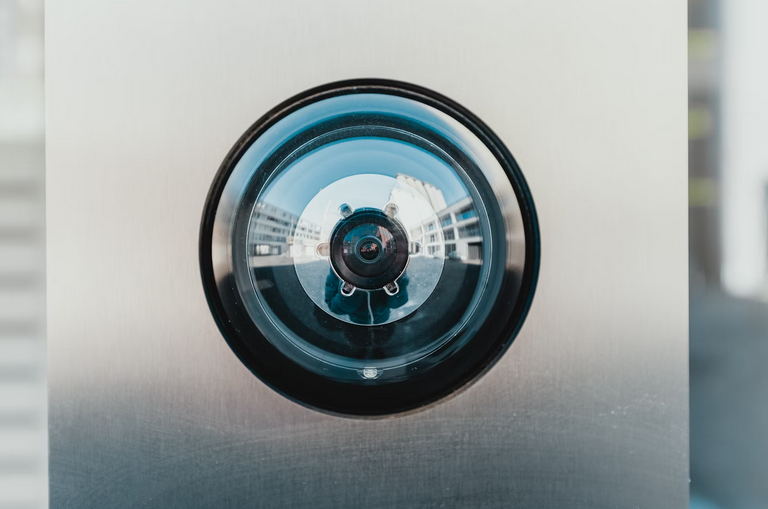
Hidden Camera Technology: How Spy Cameras Work and Their Applications
Hidden camera technology has become increasingly sophisticated, offering a range of applications in various industries and everyday life. In this article, we’ll delve into how spy cameras work, their applications, and the ethical considerations surrounding their use.
Understanding Hidden Camera Technology
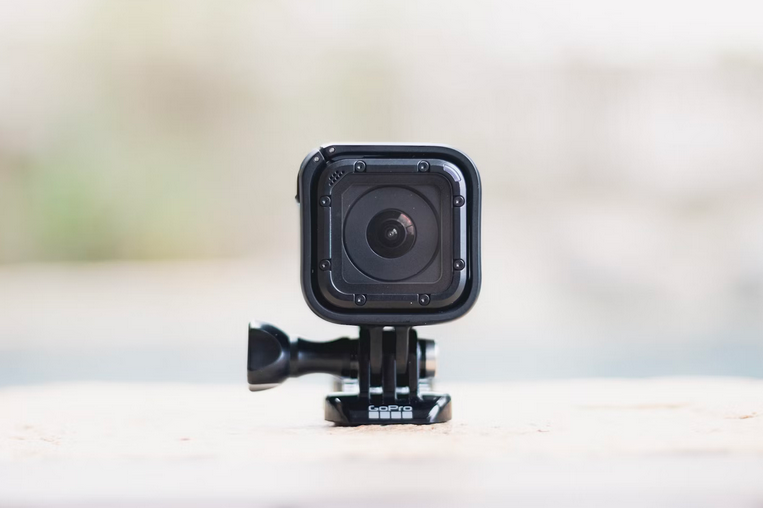
Hidden cameras, also known as spy cameras or covert cameras, are small, discreet devices designed to capture video and audio without being easily detected. They can be integrated into everyday objects such as clocks, pens, smoke detectors, and even clothing, making them ideal for covert surveillance purposes.
How Spy Cameras Work
Spy cameras utilize advanced technology to capture high-quality video and audio recordings. They typically consist of a lens, image sensor, processor, storage media (such as an SD card), and power source. Some models also feature wireless connectivity for remote monitoring. When activated, the camera records video and audio data, which is processed and stored internally or transmitted to a remote device for live viewing or recording. Modern spy cameras may also include motion detection, night vision, and other features for enhanced functionality.
Applications of Hidden Camera Technology
- Security Surveillance: Hidden cameras are widely used for security purposes in homes, businesses, and public spaces to monitor activities and deter theft, vandalism, or unauthorized access.
- Law Enforcement: Law enforcement agencies use spy cameras for undercover operations, sting operations, and gathering evidence in criminal investigations.
- Child and Elderly Monitoring: Hidden cameras are employed by parents to monitor childcare providers and by caregivers to ensure the safety and well-being of elderly or vulnerable individuals.
- Corporate Monitoring: Employers may use spy cameras to monitor employee activities, prevent theft or misconduct, and enhance workplace security.
- Personal Security: Individuals may use hidden cameras for personal security, such as recording interactions during contentious situations or documenting incidents for legal purposes.
Ethical Considerations
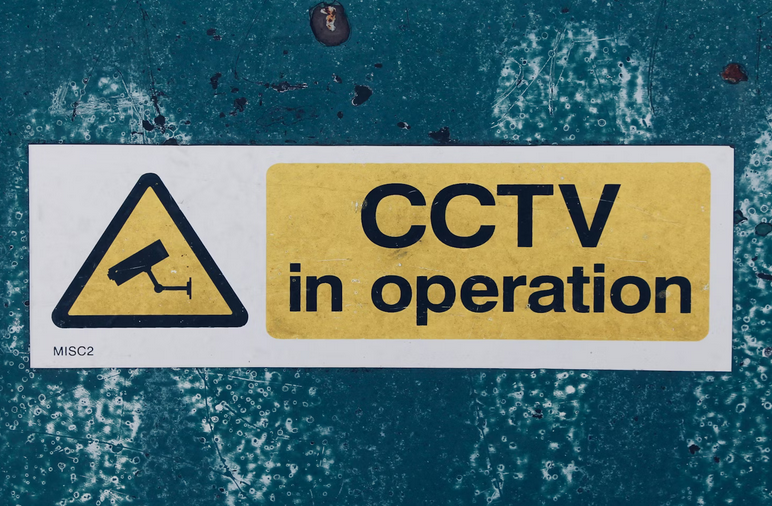
While hidden camera technology offers valuable benefits, its use raises ethical considerations regarding privacy, consent, and surveillance practices. It’s essential to use spy cameras responsibly, respecting privacy rights and legal regulations governing surveillance activities.
Key ethical considerations include:
- Informed Consent: Obtain consent from individuals being recorded, especially in private settings where privacy expectations are high.
- Transparency: Clearly disclose the presence of hidden cameras in public or private areas where recording is taking place.
- Purpose: Use spy cameras for legitimate purposes, such as security, safety, or legal compliance, rather than invasive or voyeuristic intentions.
- Data Protection: Safeguard recorded data, ensure secure storage, and comply with data protection laws to prevent unauthorized access or misuse of recorded footage.
Hidden camera technology has revolutionized surveillance and monitoring capabilities, offering valuable tools for security, safety, and investigative purposes. However, responsible use and ethical considerations are paramount to ensure privacy rights are respected, consent is obtained, and surveillance practices align with legal and ethical standards.…